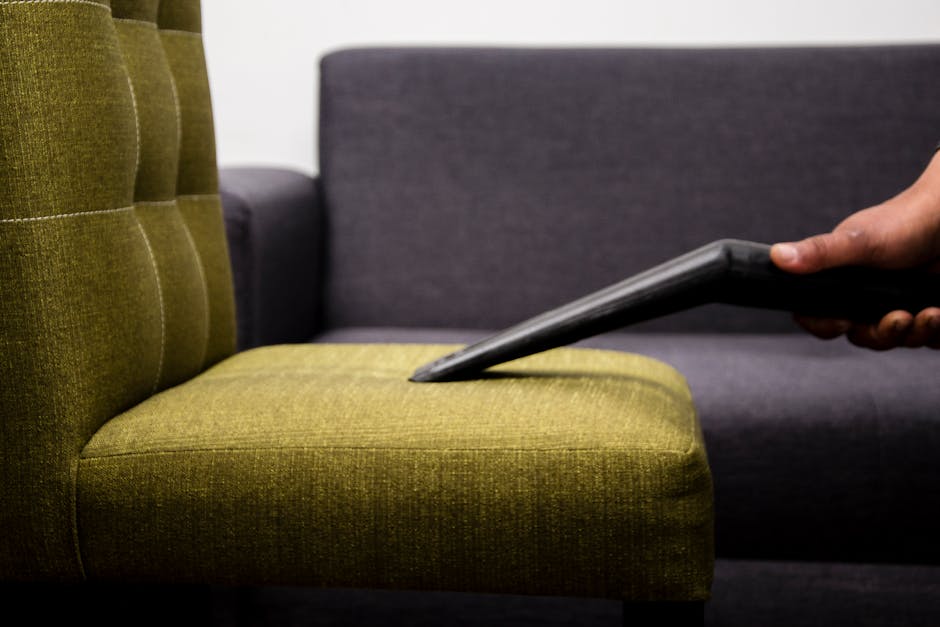
Harrods area upholstery cleaning Knightsbridge homes: a practical guide for protecting fine furnishings
If you live near Harrods, you already know the tone of the area: elegant homes, busy streets, visitors drifting through Brompton Road, and interiors that need to look calm even when everyday life is anything but. Harrods area upholstery cleaning Knightsbridge homes is not just about making a sofa look nicer for an afternoon. It is about protecting fabric, lifting hidden dirt, reducing wear, and keeping well-loved furniture comfortable in a home where presentation matters. Truth be told, a smart cleaning routine can make a room feel fresher almost instantly.
This guide walks through what upholstery cleaning actually involves, why it matters in Knightsbridge homes, how it works, what to watch out for, and how to make sensible choices for sofas, armchairs, dining chairs, and other upholstered pieces. You will also find a practical checklist, a comparison table, and a real-world example so you can make a decision with confidence rather than guesswork.
In a place where homes often combine heritage features with modern interiors, the details matter. A bit of dust in the weave, a drink mark on an armrest, or pet odour trapped in a cushion can quietly change how a room feels. And yes, it shows faster than most people think.
Why Harrods area upholstery cleaning Knightsbridge homes Matters
Upholstery takes more punishment than most people realise. Every time someone sits down, the fibres collect body oils, dust, microscopic debris, and whatever else is floating through the house. Add in London life - open windows on a mild day, traffic dust near main roads, shoes coming in and out, the odd coffee spill - and fabric can start to look tired long before it is actually worn out.
In Knightsbridge homes, there is usually an extra layer of expectation. Sofas, headboards, dining chairs, and occasional chairs are part of the room's impression. If the upholstery looks dull, the whole space can feel slightly off, even if the rest of the interior is immaculate. That is the real reason upholstery cleaning matters here: it protects the atmosphere of the home as much as the fabric itself.
It also matters because different upholstery materials age differently. Velvet, linen, wool blends, cotton, suede, and synthetic fibres each react in their own way to moisture, cleaning agents, and agitation. A good cleaning approach respects that. A poor one? It can leave water marks, flatten the pile, or set a stain permanently. Not ideal, to put it mildly.
There is also a practical comfort angle. Cleaner upholstery can reduce stale smells, help remove trapped allergens, and make seating feel more pleasant day to day. You notice it especially in living rooms and family spaces where people gather for long stretches. One glance at a clean armchair in late afternoon light, and the difference is obvious.
How Harrods area upholstery cleaning Knightsbridge homes Works
Professional upholstery cleaning usually starts with identification, not cleaning. That may sound boring, but it is the sensible part. The cleaner needs to know the fabric type, the dye stability, the construction of the furniture, and whether there are any pre-existing marks or wear. A quick look at the underside labels or manufacturer guidance can make a major difference.
The process typically follows a few stages:
- Inspection - the fabric, seams, piping, fillings, and problem areas are checked carefully.
- Vacuuming and dry soil removal - loose dirt, crumbs, and grit are lifted from the surface and crevices.
- Spot testing - a small hidden area is tested to see how the fabric reacts to moisture or cleaning solution.
- Pre-treatment - stains or heavily soiled zones are treated with suitable products.
- Main cleaning - the method may be low-moisture, steam-assisted, or hot water extraction depending on fabric and condition.
- Rinse or residue removal - any cleaning agents used are removed as thoroughly as possible.
- Drying and grooming - the pile may be reset, cushions repositioned, and airflow encouraged for faster drying.
There is no one-size-fits-all method. That is important. A robust synthetic sofa in a busy family room might tolerate a different process from a pale silk-blend occasional chair in a drawing room that rarely sees daily use. The best results come from matching method to material, not forcing a favourite technique onto everything.
In our experience, the most successful jobs are the ones where the cleaner slows down at the start. A few extra minutes spent identifying fibre type can save a world of trouble later. Honestly, that is where the professional value lives.
Key Benefits and Practical Advantages
Good upholstery cleaning does more than remove visible marks. It improves how the whole home feels. That may sound vague, but walk into a room after a deep clean and you can feel it straight away: the air is lighter, the colours look sharper, the furniture no longer drags the space down.
- Better appearance: Fabrics regain depth of colour and the surface looks fresher.
- Improved comfort: Sofas and chairs feel cleaner and more pleasant to use.
- Odour reduction: Smells from food, pets, spills, and general use are less likely to linger.
- Longer furniture life: Regular care helps reduce abrasive dirt that wears fibres down over time.
- Cleaner indoor environment: Dust and debris held in upholstery are removed instead of being redistributed.
- Better presentation for guests or property viewings: A well-kept interior always feels more polished.
There is also a financial common sense angle. Reupholstering or replacing a quality sofa is expensive. For many Knightsbridge households, maintaining what is already there is simply the sensible route. Careful cleaning can delay replacement and preserve pieces that are still structurally sound.
Expert summary: The best upholstery care is usually preventative, fabric-specific, and unhurried. Fast cleaning may look efficient, but careful cleaning is what protects the furniture long term.
Who This Is For and When It Makes Sense
This service makes sense for a wide range of homes, but especially those where the furniture is both decorative and well used. If your home has a mix of formal reception rooms and daily living spaces, upholstery can age unevenly. That is normal. The dining chairs may need attention long before the guest room sofa does.
You may benefit from upholstery cleaning if:
- your sofa or armchairs look dull, flattened, or patchy
- there are drink marks, food splashes, or old spills
- you can smell pet odour, cooking smells, or general mustiness in the fabric
- the upholstery gathers dust quickly because of heavy use or road-facing rooms
- you are preparing for guests, a special event, or a property sale
- you want to maintain premium furnishings rather than replace them early
It is also sensible after certain life moments: a renovation, a tenant change, a new pet, or a period where the home has had more activity than usual. Sometimes the need creeps up slowly. One day the room just feels a bit flat. You know the feeling.
For households with children or pets, regular upholstery care is often less about luxury and more about sanity. A clean sofa is just easier to live with. Simple as that.
Step-by-Step Guidance
If you want to approach upholstery cleaning properly, a measured process helps. Here is a practical way to think about it, whether you are cleaning a small chair or a full suite.
- Check the care label or fabric notes. Look for cleaning codes or manufacturer instructions where available. If the label is missing, caution is wiser than guesswork.
- Identify the problem type. Is it general dullness, a stain, odour, pet hair, or a specific spill? Different problems need different treatment.
- Vacuum thoroughly. Use the upholstery attachment and get into seams, edges, and under cushions. This step matters more than people think.
- Test in a hidden area. Especially on delicate fabrics, test products or moisture levels before treating the main surface.
- Pre-treat targeted marks. Apply stain treatment carefully rather than soaking the whole panel.
- Use the correct cleaning method. Low-moisture cleaning, foam cleaning, or extraction may suit different fabrics and conditions.
- Control moisture. Too much wetting can cause slow drying, odours, rings, or backing damage.
- Allow proper drying time. Airflow helps. Open windows if suitable, but avoid blasting heat directly at delicate fabrics.
- Finish with a final check. Inspect for missed marks, residue, or pile distortion before settling the room back into use.
A helpful detail: when cleaning upholstered furniture in busy homes, think in zones. Seat cushions, arms, backs, and high-touch areas often need different attention levels. The arm where everyone rests a hand while talking can be far dirtier than the rest of the piece. No surprise there, really.
Expert Tips for Better Results
There are a few small things that separate a decent result from a really good one. Nothing magical, just careful habits that add up.
- Start with dry soil removal. If grit stays in the fabric, cleaning can turn it into abrasive mud. Not good.
- Work from the outside of a stain inward. This helps prevent spreading.
- Use minimal product first. You can always repeat a safe treatment, but over-wetting or over-applying chemical can be harder to fix.
- Pay attention to the pile direction. Velvet and brushed fabrics can look patchy if left ungroomed.
- Watch for dye transfer. Bright throws, dark clothing, and some cushion covers can bleed colour into light upholstery.
- Keep a sensible cleaning rhythm. Light maintenance and periodic deep cleaning usually work better than waiting until everything looks obviously dirty.
If you have a treasured piece, such as a formal armchair or an inherited settee, it is worth slowing down even more. Those items often have more character and less margin for error. In a way, that is part of the charm - but it also means you treat them like something worth preserving.
Another small point: good airflow is underrated. Freshly cleaned upholstery may feel "done" before it is fully dry, but leaving it to air properly helps prevent musty smells and unwanted marks. A room can look spotless and still need a little patience. A little patience goes a long way.
Common Mistakes to Avoid
Most upholstery damage from cleaning is not caused by bad intentions. It is caused by rushing. Or by treating the furniture as if all fabric behaves the same way. That is where trouble begins.
- Using too much water: This can lead to rings, slow drying, backing damage, or a lingering smell.
- Scrubbing aggressively: Friction can distort fibres and spread stains deeper into the weave.
- Using the wrong product: Strong detergents or random household sprays may discolour delicate fabrics.
- Skipping a test patch: This is one of the easiest ways to create a bigger issue than the original mark.
- Ignoring odour sources: Covering smells with fragrance is not the same as removing the cause.
- Cleaning only the visible area: Spot-only work can leave faded or dirty "halos" around the treated patch.
There is also a common timing mistake: waiting until fabric is heavily soiled before doing anything. By then, some staining has already settled in and the fibres are more fatigued. Preventative care tends to be much easier, and less stressful. Let's face it, nobody enjoys trying to rescue a pale sofa at the last minute before guests arrive.
Tools, Resources and Recommendations
If you are maintaining upholstery yourself between professional cleans, a few sensible tools can help you stay ahead of dirt without risking damage.
- Upholstery vacuum attachment: Essential for seams, corners, and cushion edges.
- Soft fabric brush: Useful for gently lifting surface dust or restoring pile direction.
- Microfibre cloths: Good for light blotting, but avoid rubbing.
- White absorbent cloths: Handy for blotting spills without transferring dye.
- Fabric-safe spot cleaner: Only if suitable for your upholstery type and label guidance.
- Fans or natural airflow: Helpful for drying after safe, light cleaning.
For homes with mixed surfaces, it can make sense to pair upholstery care with other regular maintenance such as carpet cleaning or rug cleaning. That keeps the whole room feeling consistent rather than only one item looking refreshed while the rest feels tired.
If you are dealing with a sofa that also has odour or pet-related issues, it may be helpful to consider pet stain odour removal alongside upholstery care. And if a mark has really settled in, a targeted stain removal approach is often the smarter route than generic cleaning alone.
For broader home maintenance, it is worth keeping an eye on related textiles too, such as curtain cleaning and sofa cleaning, because dust and odour tend to travel through the room as a whole. Small things, but they add up.
Law, Compliance, Standards, or Best Practice
For homeowners, the main compliance concern is usually less about legal complexity and more about safe, careful practice. That said, reputable cleaning providers should work with sensible health and safety procedures, insurance cover, and transparent handling of customer property. If you are inviting someone into your home, those basics matter.
Best practice generally includes:
- identifying fabric types before treatment
- using suitable cleaning products for the material involved
- protecting floors, walls, and nearby furnishings during the job
- following safe handling of water, electricity, and equipment
- being clear about expected drying time and aftercare
- stating any limitations before work begins
If you are comparing providers, it is reasonable to look for clear information about insurance and safety, plus a straightforward health and safety policy. A good company should also be open about payment and security and how they handle customer information in line with their privacy policy.
For environmentally conscious households, recycling and waste handling can matter too, especially if packaging, used cloths, or disposables are involved. That is where recycling and sustainability practices become part of the service quality, even if they sit behind the scenes.
The big point is simple: careful upholstery cleaning should feel controlled, not improvised. If a cleaner cannot explain how they will protect the fabric, that is a warning sign. Not a dramatic one, but a warning sign all the same.
Options, Methods, or Comparison Table
Different upholstery cleaning methods suit different fabrics and levels of soiling. There is no universally best method, only the best method for the specific item in front of you.
| Method | Best for | Pros | Watch-outs |
|---|---|---|---|
| Dry vacuuming and maintenance cleaning | Routine care and light dust | Quick, low risk, good for upkeep | Will not remove deep stains or embedded grime |
| Foam or low-moisture cleaning | Delicate fabrics and controlled cleaning | Reduced drying time, often safer for sensitive upholstery | May be less effective on heavy soiling |
| Hot water extraction | Some robust synthetic fabrics | Deep soil removal, strong overall clean | Too much moisture for certain materials |
| Targeted stain treatment | Specific marks or spills | Focused approach, less disruption to the whole item | Needs accurate stain identification |
If you are unsure which approach suits a piece, ask for assessment before anyone starts. That sounds obvious, but people often skip straight to action because they want the problem gone. Fair enough. Still, a careful check first is almost always worth it.
For homeowners planning a wider refresh, it can also make sense to coordinate upholstery work with steam carpet cleaning or a broader commercial carpet cleaning approach if the property has shared or mixed-use areas. That said, commercial methods are not automatically the right choice for residential fabrics, so context matters.
Case Study or Real-World Example
Imagine a Knightsbridge flat near the Harrods area with a pale linen three-seater sofa, two velvet armchairs, and a set of dining chairs that see daily use. The sofa looks slightly grey in the seat area, one armchair has a faint drink ring, and the dining chairs have the usual hand marks around the backs. Nothing shocking. Just enough to make the room feel less crisp than it should.
The sensible route would be a fabric check first, then separate treatment plans. The linen sofa might need a careful low-moisture clean with targeted pre-treatment on the seating area. The velvet chairs would need particular attention to pile direction and drying. The dining chairs might only require spot cleaning and a lighter overall refresh. One size would not suit all, and that is the point.
After treatment, the room would likely look brighter, not because the furniture became "new," but because the fabric no longer dulled the light. You see this especially in the late afternoon, when London daylight comes through a window and starts revealing every little thing. A clean sofa reflects that light differently. The whole room breathes easier.
That kind of outcome is common when the right method is matched to the right fabric. Nothing flashy. Just a better room.
Practical Checklist
Use this quick checklist before booking or carrying out upholstery cleaning in a Knightsbridge home:
- Identify the furniture pieces that need attention.
- Check fabric labels or manufacturer notes if available.
- Note down stains, odours, or areas of heavy wear.
- Decide whether the job is routine maintenance or stain-focused.
- Ask how the fabric will be tested before cleaning.
- Confirm what drying time to expect.
- Make sure nearby floors and furnishings will be protected.
- Ask whether the process is suitable for delicate fabrics, velvet, wool blends, or mixed materials.
- Check for clear aftercare advice.
- Plan a time when the room can remain undisturbed while it dries.
Quick takeaway: the better the preparation, the cleaner and safer the result. A few minutes of checking beforehand can save a lot of bother later.
Conclusion
Harrods area upholstery cleaning Knightsbridge homes is really about preserving comfort, style, and the quiet confidence of a well-kept interior. Whether you are looking after a statement sofa, a much-used family chair, or a set of dining seats that have simply lost their sparkle, the right cleaning approach can make a meaningful difference.
The best results come from careful assessment, fabric-appropriate methods, and realistic expectations. Not every stain will vanish completely, and not every piece should be cleaned the same way. But when the work is done properly, the improvement is usually obvious: fresher air, brighter fabric, and a room that feels looked after again.
If you are comparing options, start with what your furniture actually needs rather than what sounds most powerful. That small shift in thinking is often what protects quality upholstery over the long term. And that is worth doing properly.
Get a free quote today and see how much you can save.
Frequently Asked Questions
How often should upholstery be cleaned in a Knightsbridge home?
It depends on use, fabric type, pets, children, and how much dust the room collects. High-use seating may need more frequent attention, while formal pieces can often go longer between cleans. A light maintenance routine between deeper cleans usually works well.
Can all upholstery fabrics be steam cleaned?
No. Some fabrics tolerate moisture well, while others can shrink, distort, or show water marks. Velvet, silk blends, and certain natural fibres often need a more cautious approach. Always check the fabric type first.
What is the best way to remove a fresh spill from upholstery?
Blot it gently with a clean, absorbent cloth and avoid rubbing. Rubbing pushes the liquid deeper and can spread the stain. If the spill is sticky or coloured, quick professional advice is often safer than improvising.
Will upholstery cleaning remove odours completely?
It can reduce or remove many common odours, especially when the source is embedded in the fabric. However, if the smell has entered the padding or backing, more targeted treatment may be needed. Odour removal works best when the cause is properly addressed.
Is upholstery cleaning worth it for older furniture?
Often yes, if the piece is structurally sound and the fabric still has life in it. Cleaning can refresh appearance and extend the useful life of a good chair or sofa. If the fabric is fragile or heavily worn, a professional assessment helps decide whether cleaning is sensible.
How long does upholstery take to dry?
Drying time varies by fabric, cleaning method, ventilation, and room temperature. Low-moisture methods usually dry faster, while deeper wet cleaning can take longer. It is wise to plan for some downtime rather than expecting immediate use.
Can professional cleaning help with pet hair and pet smells?
Yes, especially when combined with thorough vacuuming and suitable odour treatment. Pet hair can cling deeply into fibres, and smells often need more than surface cleaning. A service that specifically handles pet stain odour removal is often the better choice.
What should I ask before booking an upholstery cleaner?
Ask how they identify fabric types, what cleaning method they use, whether they test in hidden areas, and how long drying is likely to take. It is also sensible to ask about insurance, aftercare, and any limitations for delicate fabrics.
Does upholstery cleaning help with allergies?
It may help reduce dust and allergens trapped in fabric, which can improve comfort for some people. It is not a medical treatment, of course, but cleaner upholstery can contribute to a fresher indoor environment when combined with regular cleaning elsewhere in the home.
What is the biggest mistake homeowners make with upholstery care?
The most common mistake is using too much water or the wrong cleaner on a delicate fabric. The next biggest is waiting until a mark becomes deeply set. Gentle, early action is usually much safer than emergency cleaning later on.
Should upholstery cleaning be done before selling a property?
Yes, it can be a smart move. Clean furniture helps rooms look brighter, more cared for, and more spacious in photos and viewings. If you are also thinking about broader presentation, it can sit nicely alongside other maintenance before listing.
Is there a difference between sofa cleaning and upholstery cleaning?
Yes, sofa cleaning is a specific type of upholstery cleaning. Upholstery cleaning covers sofas, chairs, stools, dining seats, headboards, and other fabric-covered furniture. If you only need one item refreshed, sofa cleaning may be the simpler request.
For homes in and around Knightsbridge, the main thing is to choose a method that suits the fabric and the way the room is used. Do that, and you are already ahead of most hurried attempts. Quietly ahead, which is often the best kind.